What is Climate Change?
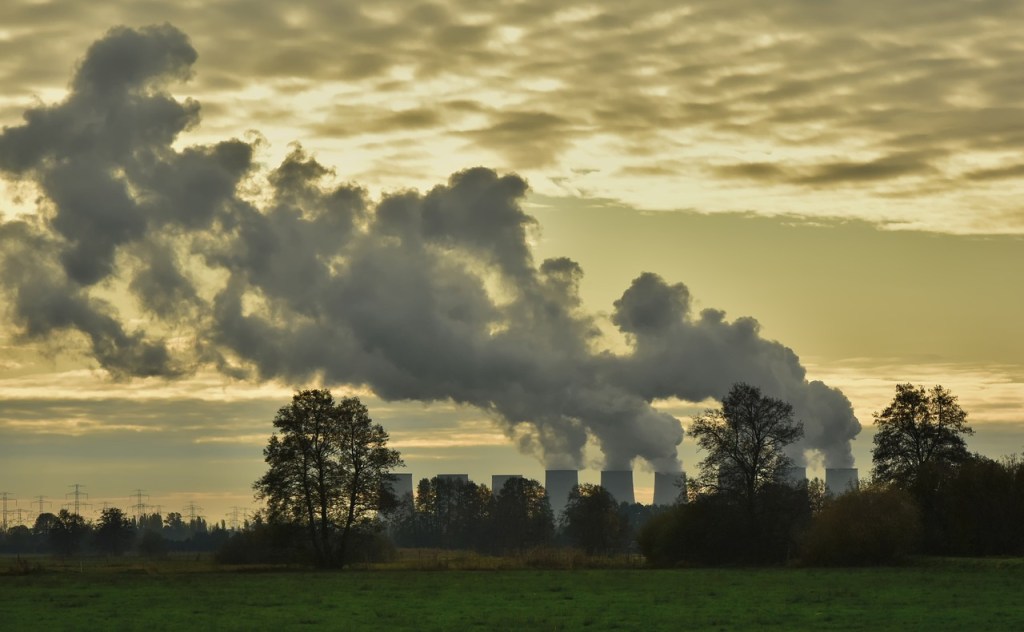
The modern theory of Climate Change refers to the analysis of the long-term shifts in temperatures and weather patterns worldwide. It confirms that the cause of the current climate change is due to the intensive use of fossil fuels by humans. These changes started at the beginning of the 18th century with the discovery of the steam engine in Britain. The locomotives burned coal as a source of energy. Further discoveries of fossil fuel-based sources of energy such as petrol (oil) and gas in Western Europe and America grew quickly, resulting in changes in the climate for the whole planet.
From the 19th century, the various economies of the world transitioned from agricultural (use of the land for production of food) to industrial (production of goods). That period is known as the “industrial revolution”.
It is used as a base line for measuring the changes in several climate indexes, mainly the rise in temperature and the presence of greenhouse gas in the atmosphere -chiefly carbon dioxide (CO2) and methane.
Changes in global surface temperatures have been measured with reliable instruments from the1850’s. These days, modern measurements of land, sea and atmospheric temperatures are constantly transmitted by electronic sensors. Measurements prior to 1850 can be derived from tree rings, marine sediments and analysis of air bubbles in ice cores. Scientists can therefore calculate the sea and land temperatures for the past few million years with a reliable level of accuracy.
Long-term variations in the climate can be attributed to geological or planetary reasons such as the wobbling of the Earth on its axis and its moving distances from the Sun. These external reasons can be isolated in the compilation of the various modern indexes to concentrate on purely man-made activities.
From pre-industrial to now 2024 (around 300 years) the global average land temperature has increased by 1.5 degree Centigrade.
“The Climate Risk” is an exciting Science Fiction novel about Climate Change.
 The Climate Risk